
Expert Picks For Concrete Leveling Equipment And Materials
Find out which products industry experts recommend for effective and easy concrete leveling applications.
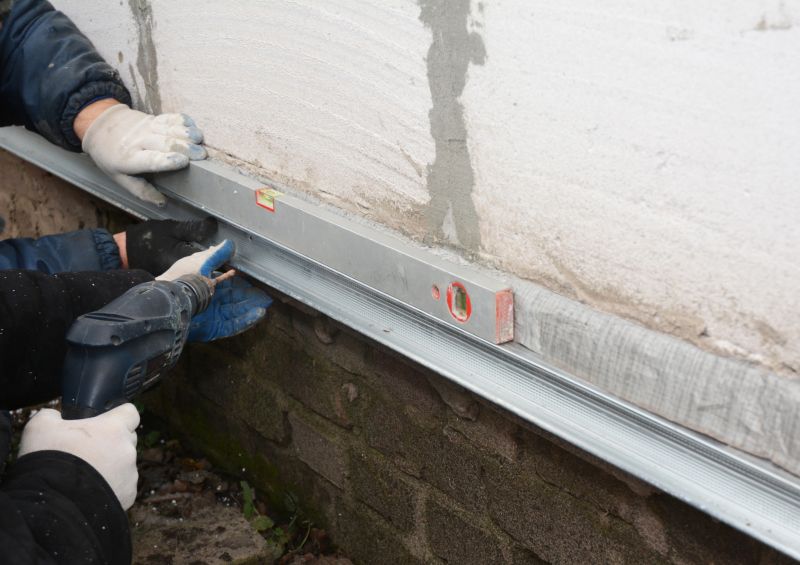 Concrete leveling is an essential process for maintaining the safety, appearance, and functionality of various surfaces around properties. Over time, concrete slabs can settle, crack, or develop uneven spots due to soil movement, moisture changes, or age. Addressing these issues promptly helps prevent further deterioration and potential safety hazards. There are numerous products designed to assist in the concrete leveling process, each suited for different types of repairs and user expertise levels.
Top Overall Option
Self-Leveling Concrete Compound
A versatile and user-friendly option suitable for a variety of small to medium-sized repairs, self-leveling concrete compounds are designed to fill and smooth uneven surfaces efficiently. They typically come in ready-mix formulations that simplify application, making them accessible for DIY projects as well as professional use. When properly prepared and applied, these compounds can produce a durable, flat surface that restores the integrity of the concrete slab.
Types of Products For Concrete Levelings
Polyurethane Foam Injection Kits
Designed to lift and stabilize sunken concrete slabs, these kits use expanding foam to fill voids and provide support. They are often used for driveways, sidewalks, and patios where minimal disruption is desired.
Cement-Based Patch Mixes
Suitable for filling cracks and minor surface imperfections, these mixes are applied like traditional mortar and cure to form a solid, durable patch.
Self-Leveling Underlayments
Ideal for creating a smooth, level surface on existing concrete floors, these products flow into low spots and set quickly.
Concrete Resurfacing Products
These overlays are used to restore the surface of worn or damaged concrete, providing a new, even finish that can be textured or smooth.
Hydraulic Cement Patches
Specially formulated to stop leaks and repair cracks, hydraulic cements are quick-setting and highly durable for structural fixes.
Liquid Cement Fillers
Used to fill small cracks and holes, these liquid formulations penetrate deeply and cure to a solid state.
Polymer Modified Concrete Mixes
Enhanced with polymers for increased flexibility and adhesion, these mixes are suitable for areas subject to movement.
Quick-Set Concrete Repair Mortar
Designed for fast repairs of cracks and surface damage, these mortars cure rapidly and are easy to shape.
Pre-Mixed Concrete Repair Kits
Convenient kits that include all necessary components for small repairs, suitable for DIY enthusiasts.
Concrete Leveling Pumps
Specialized equipment used to inject foam or other leveling materials beneath slabs, ideal for larger or commercial projects.
Popular Choices
Widely used for raising and stabilizing sunken slabs, these kits are favored for their minimal mess and quick application.
Commonly used in residential and commercial settings to create smooth, level floors, these compounds are appreciated for their ease of use.
Popular for addressing small cracks, these tubes contain materials that expand to fill and seal cracks effectively.
Pre-packaged patches are frequently chosen for quick repairs on minor surface damage and cracks.
Trusted for their rapid setting and strong adhesion, these sealants are often used in structural repair scenarios.
Known for their strength and durability, epoxy fillers are popular for fixing cracks and restoring structural integrity.
Applied over existing surfaces to improve appearance and durability, these coatings are favored for decorative and protective purposes.
Offering enhanced flexibility, these mortars are often used for repairs in areas prone to movement or cracking.
Preferred for quick turnaround projects, these mixes cure rapidly and are suitable for urgent repairs.
Popular for professional applications, these systems facilitate precise injection of leveling materials beneath slabs.
From simple DIY kits to professional-grade materials, the market offers a wide array of solutions. These products include self-leveling compounds, polyurethane foam injections, and cement-based patches, among others. Selecting the right product depends on the size of the area, the extent of unevenness, and the desired longevity of the repair. Proper application and preparation are crucial for achieving a stable, level surface.
In addition to repair-specific products, there are accessories such as mixing tools, application pumps, and safety equipment that facilitate the process. For larger projects or commercial applications, specialized machinery might be necessary. It is important to consider the compatibility of products with existing concrete, as well as the environmental conditions of the site. Consulting with professionals or experienced DIYers can help determine the most suitable options for your specific needs.
Overall, choosing the right concrete leveling products involves understanding the different types available, their application methods, and their suitability for your project scope. Whether addressing minor unevenness or major settlement issues, the right products can contribute to a durable and safe repair. Proper research and careful selection ensure that your concrete surfaces remain functional and visually appealing for years to come.
Key Buying Considerations
- Determine the size of the area needing repair to select appropriate product quantities.
- Assess the extent of unevenness or damage to choose between patching, lifting, or resurfacing solutions.
- Check compatibility of the product with existing concrete surfaces and materials.
- Consider the curing time required for each product and plan accordingly.
- Evaluate the ease of application based on your skill level and available tools.
- Review the environmental conditions of the site, such as moisture or temperature, which may affect curing.
- Identify whether a DIY approach is feasible or if professional assistance is recommended.
- Look for products with clear instructions and safety guidelines to ensure proper use.
- Consider the longevity and durability of the repair material for your specific use case.
- Account for potential future movement or settling to select flexible or adaptable products.
- Review user feedback and ratings to gauge product performance and reliability.
- Ensure availability of necessary accessories like pumps, mixers, or safety gear.
- Budget for both initial product costs and any additional tools or equipment needed.
- Verify storage requirements and shelf life of the products if planning for future use.
- Consult local suppliers or professionals in Prior Lake, MN, for tailored recommendations.